We often think of hormones as something the body produces internally, but many people are unaware that we are also exposed to hormone-like chemicals from the environment every day. These are known as xenoestrogens, and growing evidence suggests they may play a role in hormone disruption and breast cancer risk.
What Are Xenoestrogens?
Xenoestrogens are man-made, oestrogen-mimicking chemicals found in plastics, pesticides, cosmetics, cleaning products and many everyday household items. The term xeno means “foreign”, reflecting that these compounds are not produced by the human body.
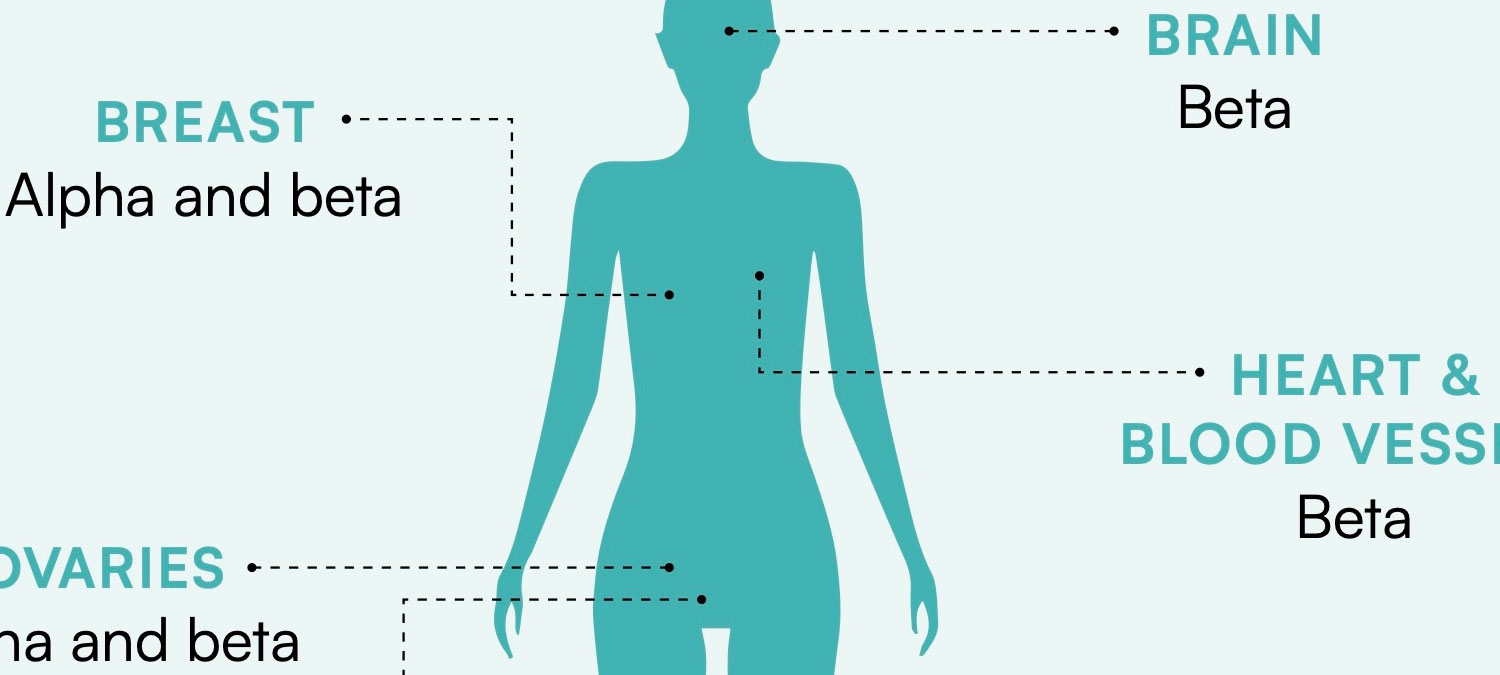
Once inside us, xenoestrogens can bind to oestrogen receptors and disrupt normal hormone signalling. Research links them to effects on fertility, thyroid function, metabolism, immune health and the central nervous system. Of particular concern is their oestrogenic activity, which may increase risk in oestrogen-sensitive conditions such as breast cancer.
Xenoestrogens are fat-soluble and are stored in body fat, allowing them to accumulate over time; people carrying more body fat may store higher levels. They are also considered to have carcinogenic potential, with studies detecting certain xenoestrogens in breast tissue. Exposure to endocrine-disrupting chemicals is now thought to contribute to earlier onset of puberty, with breast development being seen in girls as young as eight.
In wildlife, exposure has led to visible reproductive changes, including fish developing both male and female sex organs — powerful real-world evidence of how strongly these chemicals can interfere with hormonal systems.
Where Xenoestrogens Are Found
Xenoestrogens are present in thousands of everyday products, making complete avoidance impossible. Common sources include plastics and plastic food packaging, the linings of food and drink cans, household cleaning products, cosmetics and fragrances, flame retardants and non-stick cookware, till receipts, and drinking water — partly due to synthetic oestrogens from oral contraceptives not being fully removed during water treatment.
Key Xenoestrogens to Be Aware Of
- Parabens — used as preservatives in lotions and suncreams; linked to infertility and breast cancer
- Phthalates — used to soften plastics and found in perfumes, shampoos and vinyl products; associated with fertility issues, cancer, obesity and type 2 diabetes
- BPA (Bisphenol A) — found in polycarbonate plastics and can linings, more readily absorbed by fatty foods; linked to thyroid dysfunction, infertility and cancer
- Dioxins — persistent organic pollutants released during burning and industrial processes; accumulate in animal fats and enter the diet through meat, dairy and fish
Reducing Exposure: A Practical, Proportionate Approach
Complete avoidance is neither possible nor the goal. The most meaningful reductions come from focusing on a few high-impact areas:
- Food storage and cooking — prioritise glass, stainless steel or ceramic; avoid heating food in plastic or storing fatty foods in cling film
- Pesticide exposure — choose organic where feasible, particularly for high-residue produce; wash and vary non-organic produce
- Personal care products — favour paraben- and phthalate-free options; review moisturisers, deodorant and sunscreen first, as these cover large skin areas
- Household cleaning products — choose fragrance-free or plant-based alternatives; ventilate the home regularly
- Water and drinks — filter drinking water where possible; avoid hot beverages in plastic-lined cups
- Diet to support elimination — a fibre-rich diet, particularly cruciferous vegetables and ground flaxseed, supports gut health and helps bind and excrete excess oestrogens rather than allowing reabsorption
What Does the Research Show?
No single study provides a definitive answer. The evidence builds from human intervention studies, biomarkers of risk, epidemiological data and mechanistic research, which together support biological plausibility and modifiable risk rather than certainty.
Human intervention evidence. A 2023 study published in Chemosphere asked healthy women to stop using personal care products containing parabens and phthalates for 28 days. Breast tissue samples, collected before and after via fine needle aspiration, showed that urinary paraben and phthalate metabolites fell significantly, gene expression changed in pathways involved in oestrogen signalling, cell proliferation, apoptosis and PI3K–AKT–mTOR signalling, and breast tissue’s response to oestrogen in laboratory testing was altered. The study was small and short-term and measured surrogate markers rather than cancer outcomes, but the use of within-person breast tissue samples makes the findings notable.
Mammographic density. Observational studies have found that in postmenopausal women, higher circulating BPA and certain phthalate metabolites were associated with higher percentage breast density — one of the strongest established predictors of breast cancer risk.
Epidemiological findings. Large population studies show mixed results overall, but some identify increased risk with very high exposure to specific phthalates and stronger associations with oestrogen-receptor-positive (ER+) breast cancer, suggesting risk depends on the specific chemical, dose, timing of exposure and hormonal status.
Mechanistic evidence. Laboratory and animal studies show that xenoestrogens such as BPA, phthalates and parabens can bind to oestrogen receptors, alter gene expression involved in cell growth, disrupt mammary gland development, and increase mammary proliferation and tumour development in animal models — strengthening the biological plausibility seen in human data.
Summary
Xenoestrogens can influence oestrogen signalling in breast tissue, exposure is widespread but modifiable, and some human markers of breast cancer risk respond to reduced exposure. The evidence does not support fear-based claims or certainty that xenoestrogens directly cause breast cancer; rather, it supports a measured, precautionary approach — particularly for women with hormone-sensitive breast cancer or a strong family history. Xenoestrogens are unavoidable, but exposure can be modified, and reducing cumulative oestrogenic load can be a valuable part of a preventative, whole-body approach.
References
1. Human intervention study on personal care product use and breast tissue gene expression (2023). Chemosphere. https://pubmed.ncbi.nlm.nih.gov/36746253/
2. BPA, phthalate metabolites and mammographic breast density in postmenopausal women. https://pmc.ncbi.nlm.nih.gov/articles/PMC4053153/
3. Epidemiological study on phthalates, parabens, BPA and breast cancer incidence. https://pubmed.ncbi.nlm.nih.gov/30995175/
4. Mechanistic review of endocrine-disrupting chemicals and mammary gland biology. https://link.springer.com/article/10.1007/s40572-022-00376-2
5. Laboratory and animal model evidence on xenoestrogens and mammary tissue. https://pmc.ncbi.nlm.nih.gov/articles/PMC8834979/